
.svg)

Case Study
Exploring the compostable packaging question: does it really break down?
Innovation to recover more resources through recycling and composting
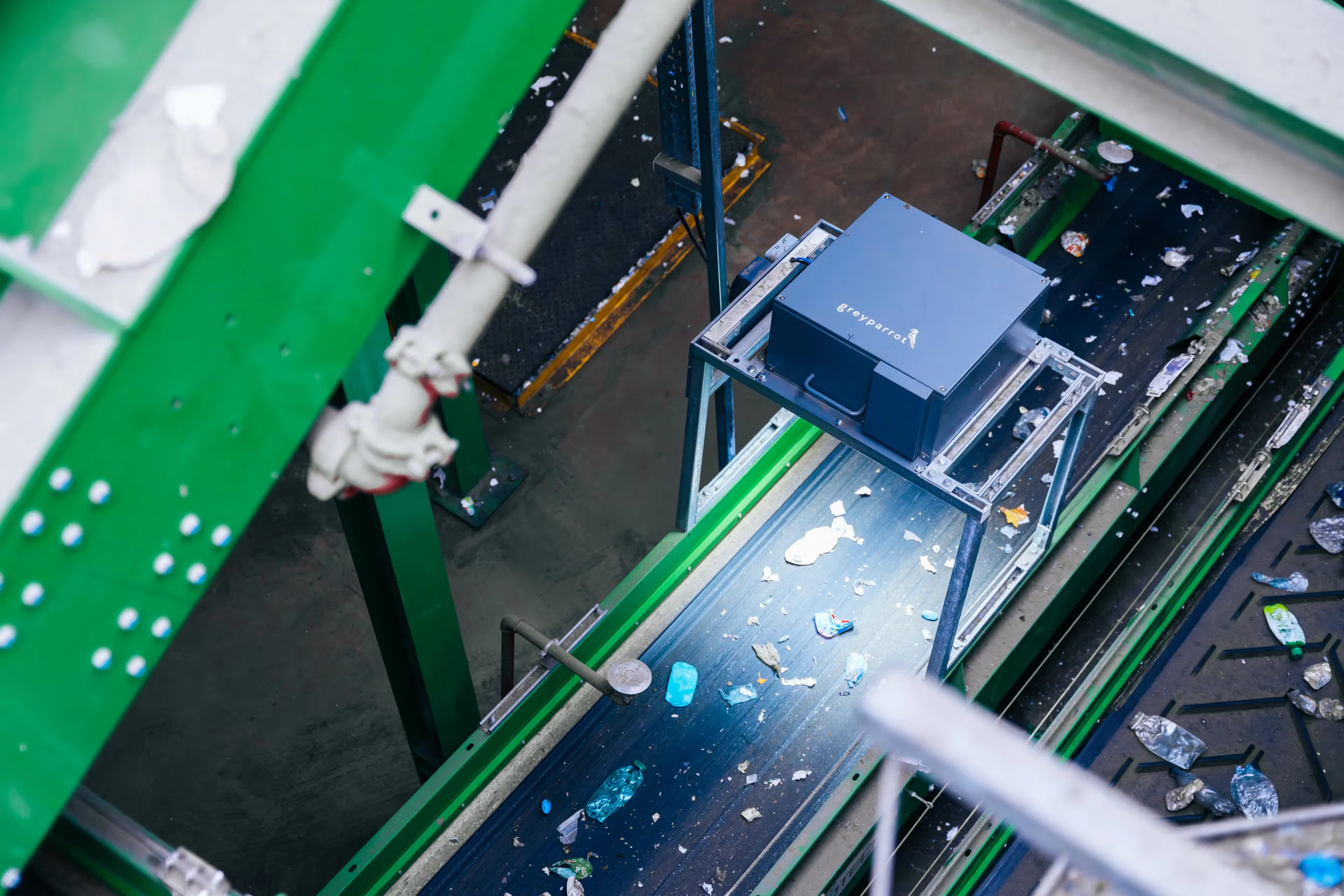
Materials recovery facility (MRF) innovation
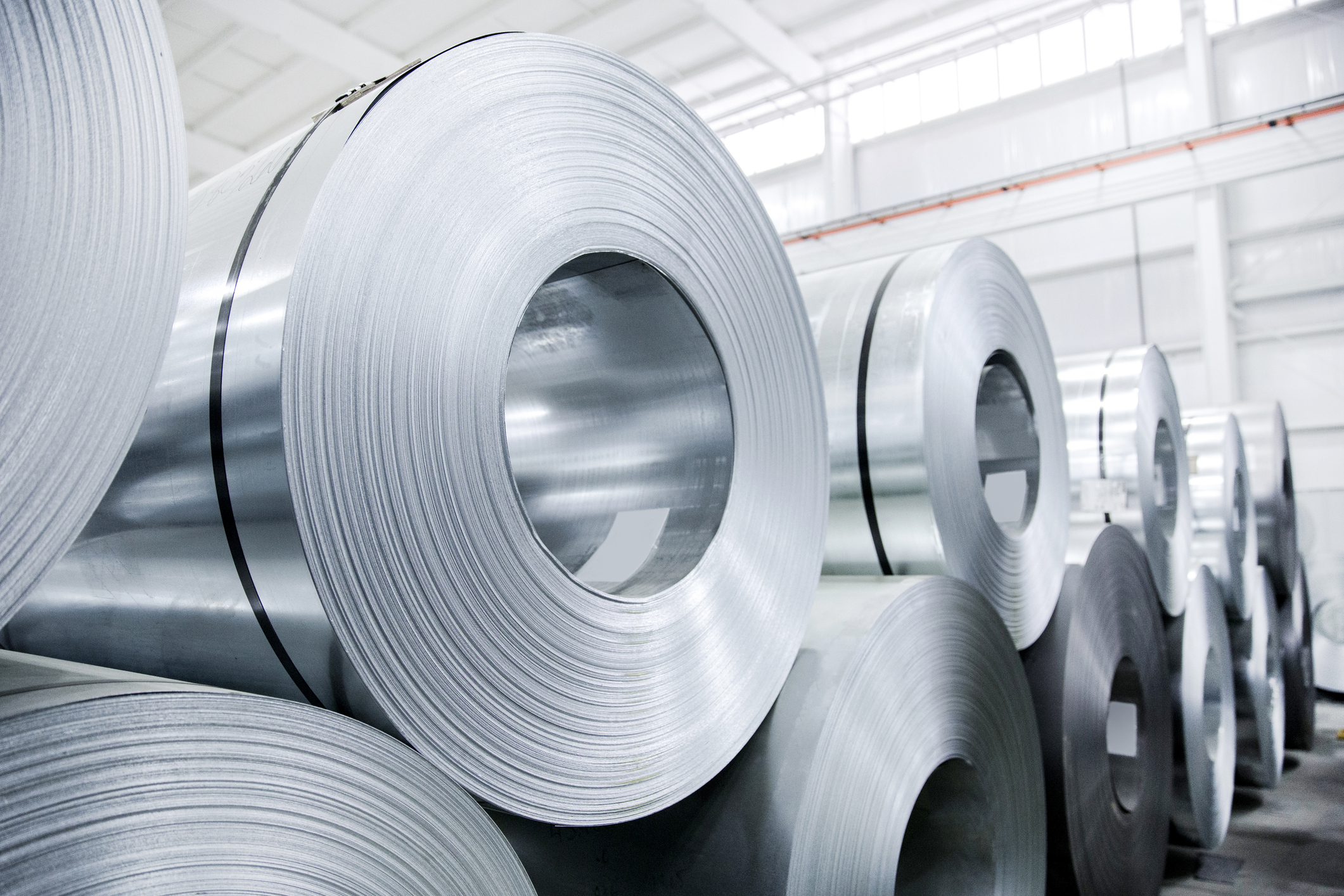
Recyclable materials market development
Molecular recycling
Community activation
Organics infrastructure
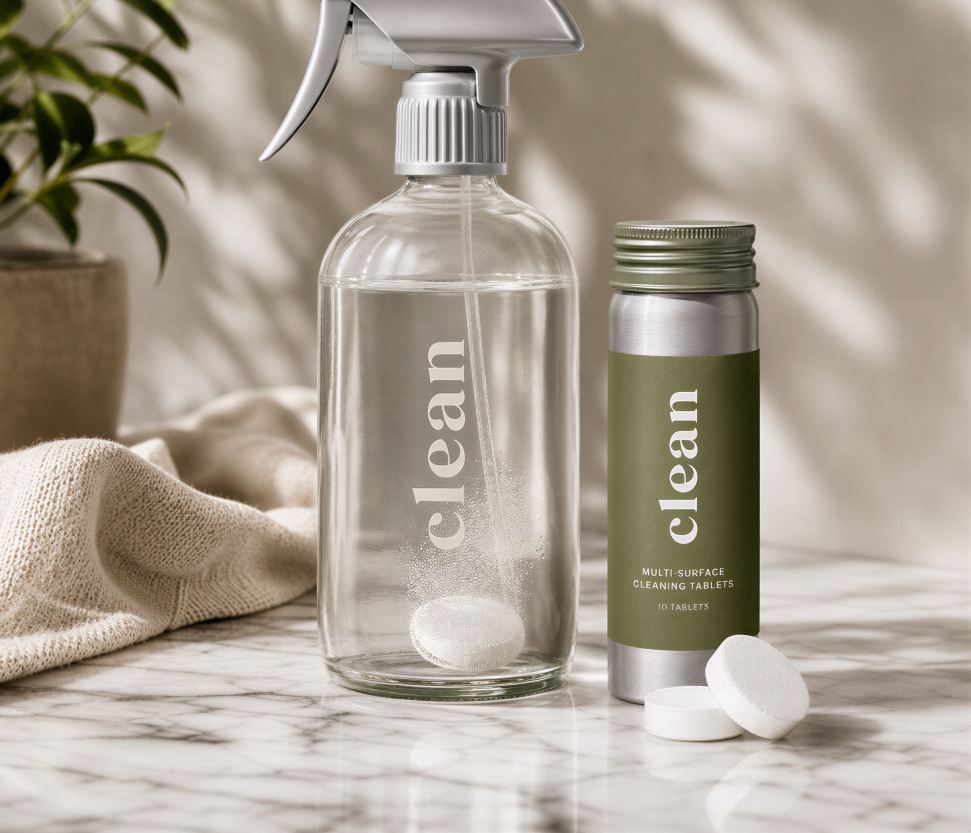
As brands and retailers look for ways to meet source reduction goals and adapt to evolving packaging requirements like California SB 54, the state’s Extended Producer Responsibility (EPR) law, concentrates can play an increasingly important role.
.jpg)
Based on nearly a decade of in-market testing and some of North America's largest city-scale behavior change initiatives, this report shares five evidence-based principles for increasing participation in circular systems. From reducing friction and designing visible infrastructure to leveraging social norms and incentives, the findings show how organizations can build the conditions that make sustainable behaviors easy, expected and repeatable.
%20copy.jpeg)
The Closed Loop Center for the Circular Economy’s latest report maps realistic pathways to recover more prescription pill bottles—starting with lower-risk opportunities for bulk packer bottles and building toward longer-term solutions for consumer-facing prescription pill bottles.

In this report, we spotlight several important regions across the U.S. where our work to build density and scale circular solutions has pushed past the linear economy, accelerating a circular economy powered by local communities and supply chains, and positioned for global reach and connection.
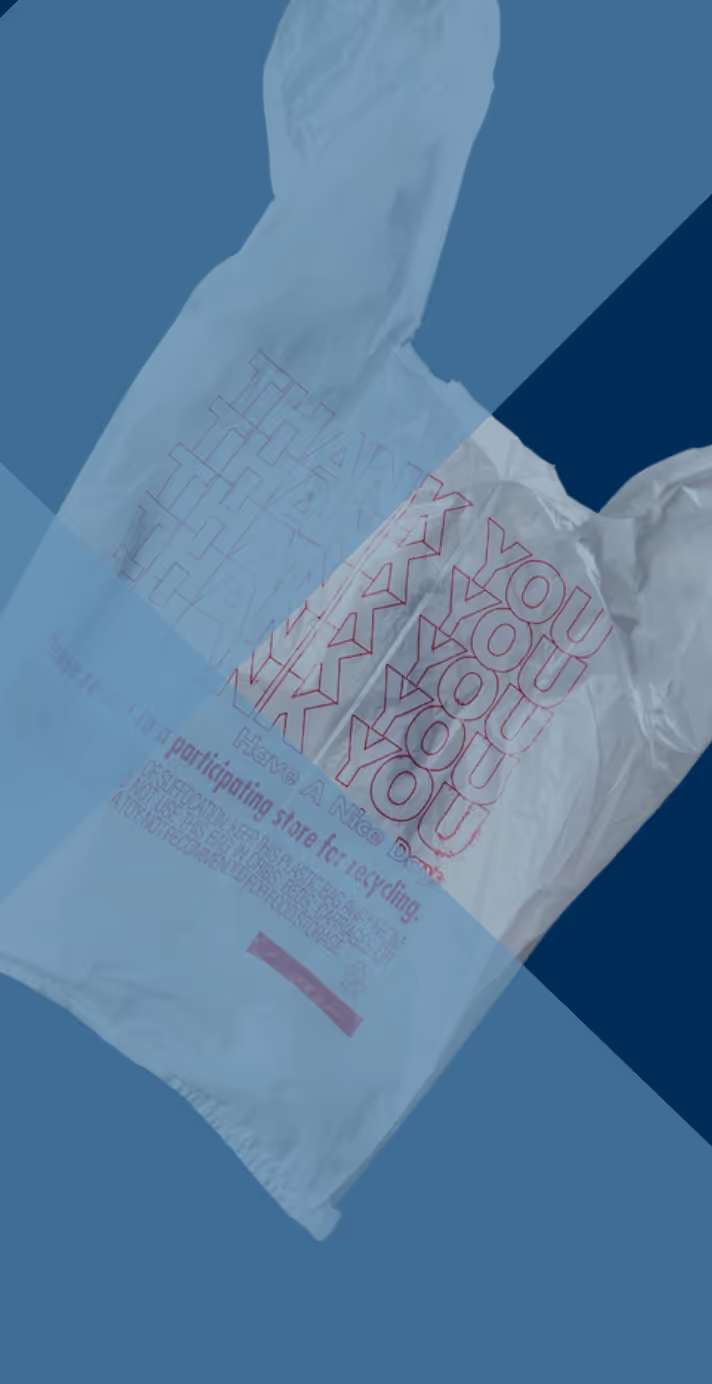
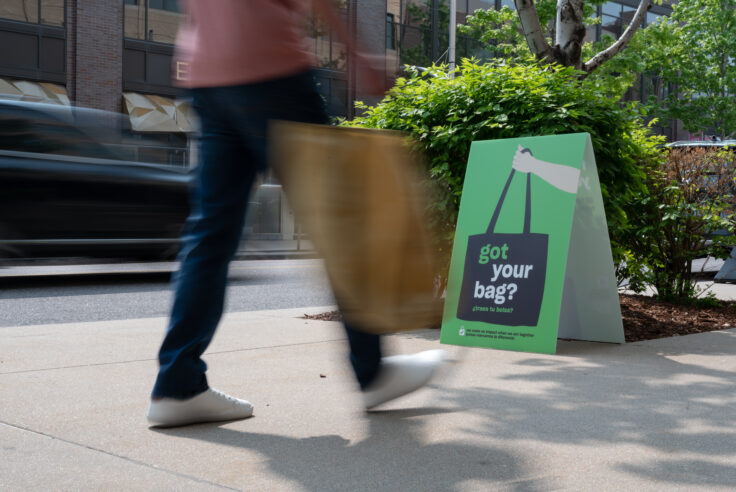
More than 330 communities and 12 states across the U.S. have enacted legislation to reduce the environmental harms of single-use plastic bags—from litter and marine pollution to material recovery challenges. But what types of policies actually work, and under what conditions?
.avif)
Demand for recycled food-grade PP is growing, driven by policy shifts and brand commitments to incorporate more recycled materials in their packaging. But a significant lack of data on the available volumes of recycled food-grade PP in the recycling system has made it difficult to amass sufficient quantities of food-grade PP to meet growing market demand.

Every day, 225,000 tons of single-use packaging are used in the U.S. Research and in-market tests over the last decade have shown the importance of reuse in recovering material value and reducing single-use waste. Retail stores––as central hubs of consumer interaction––are uniquely positioned to lead this transition to reuse.
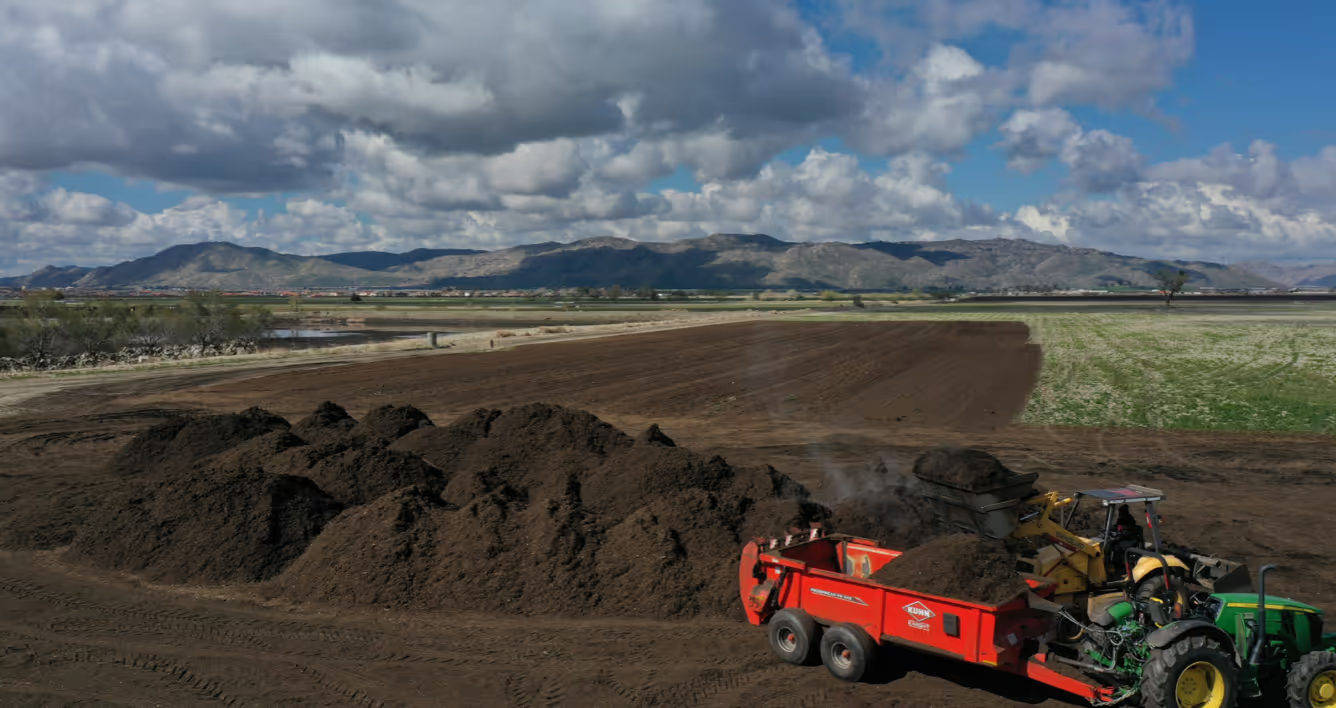
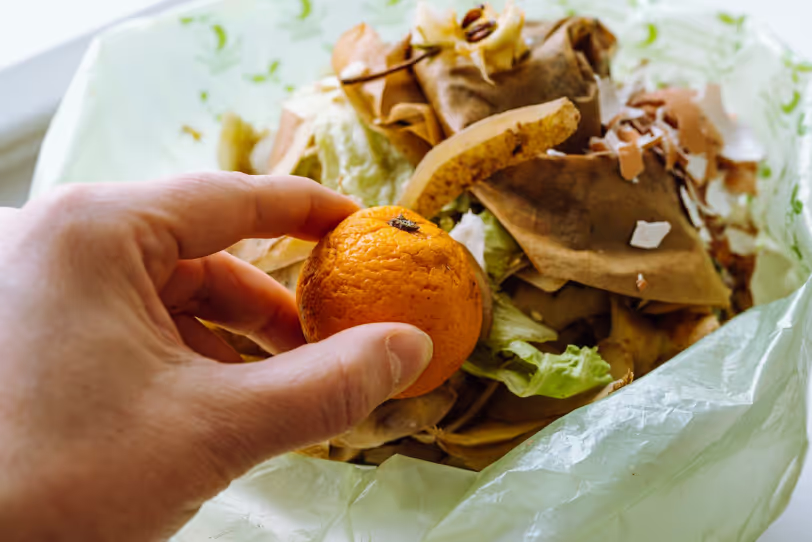
This report by the Composting Consortium dives deep into the current state of food waste composting infrastructure in the U.S., explores investment opportunities and offers policy recommendations to accelerate the scaling of this critical infrastructure. Our focus centers on commercial-scale composting facilities with the capacity to accept the most complex organics streams, including post-consumer food scraps alongside food-contact compostable packaging.
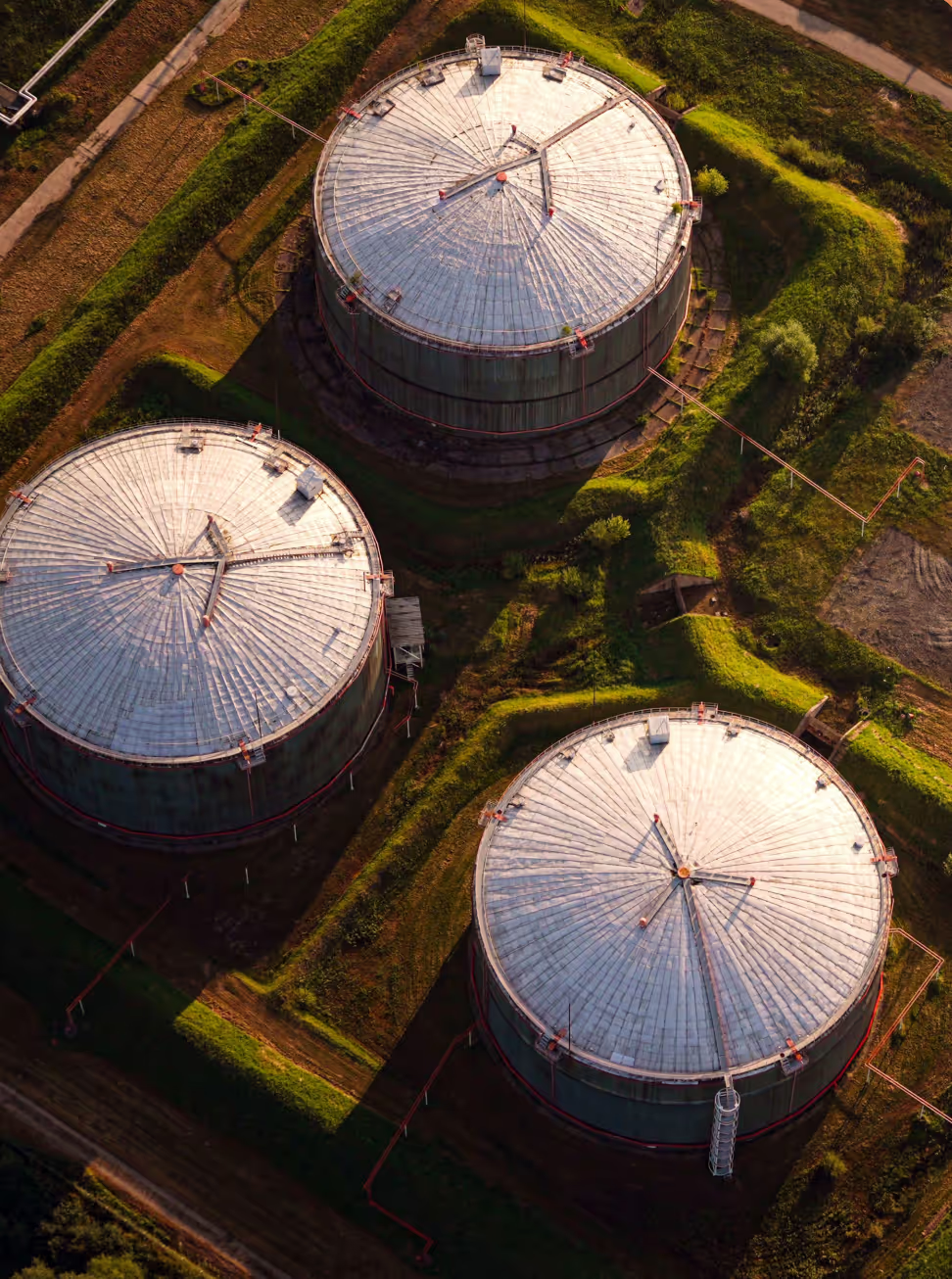
A study to assess the extent to which compostable packaging is currently processed within existing large-scale AD infrastructure in the U.S. The analysis, done in partnership with BioCycle and Target Renewables, LLC., was focused on those facilities that process hundreds to thousands of tons of organic waste per day.
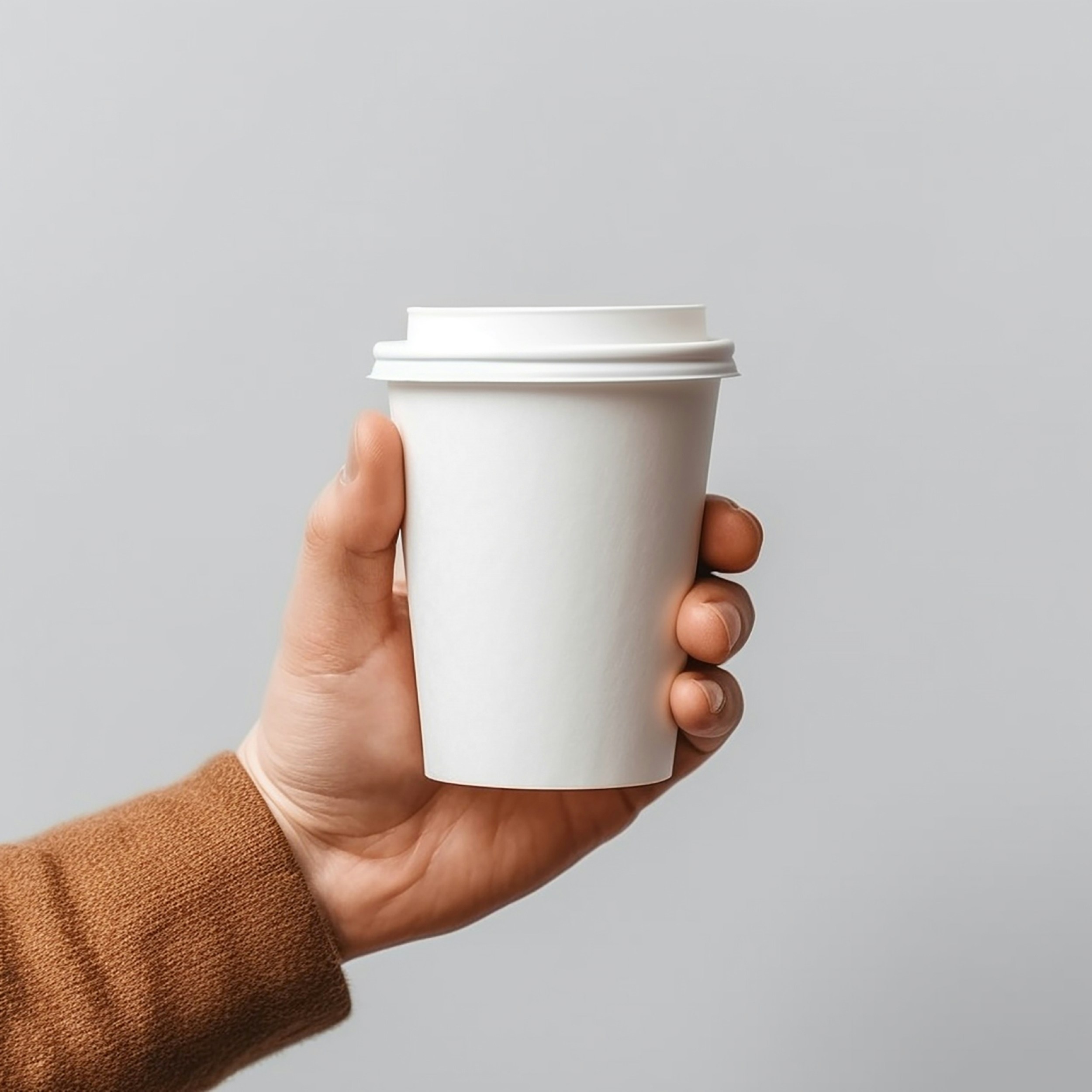
In this report, we focus on paper cup recovery, by assessing critical nodes of the paper cup recovery value chain—paper mills, material recovery facilities, brands, consumers and local communities—to demonstrate how, together, these stakeholders can sustain a market for paper cup recycling. Each has a unique and critical role to play in enabling cup recycling.

In our 2023 impact report, the Consortium to Reinvent the Retail Bag shares key learnings—from year one to three—walking through our iterative process of identifying possible solutions, testing them in-market and learning from these tests with the ultimate goal of broader implementation to reach scale. These lessons learned and impact highlights lay the foundation for ongoing work to reinvent in the retail bag in the coming years.
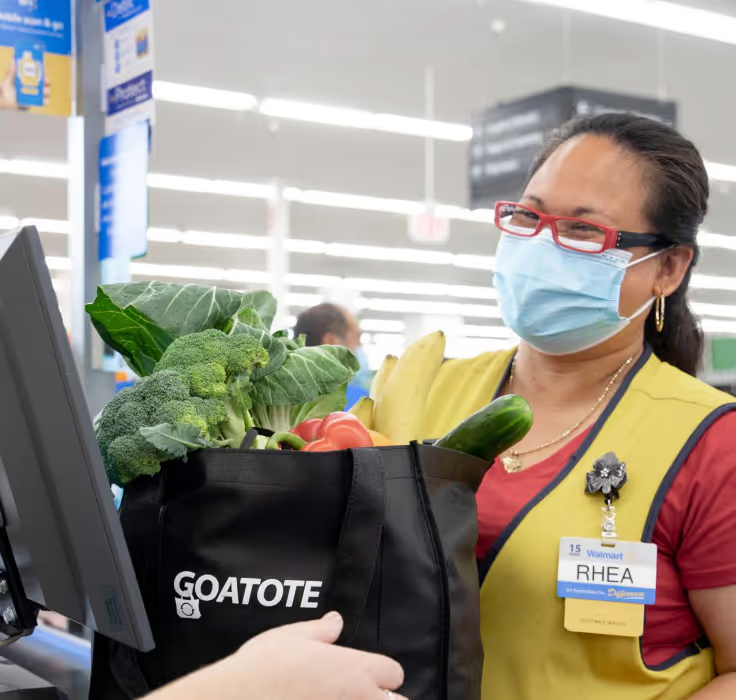
In this report, Beyond the Plastic Bag, the Consortium to Reinvent the Retail Bag shares key insights and analysis gathered from collaborative reusable bag pilots conducted across select CVS Health, Target and Walmart stores throughout Northern California in 2021.
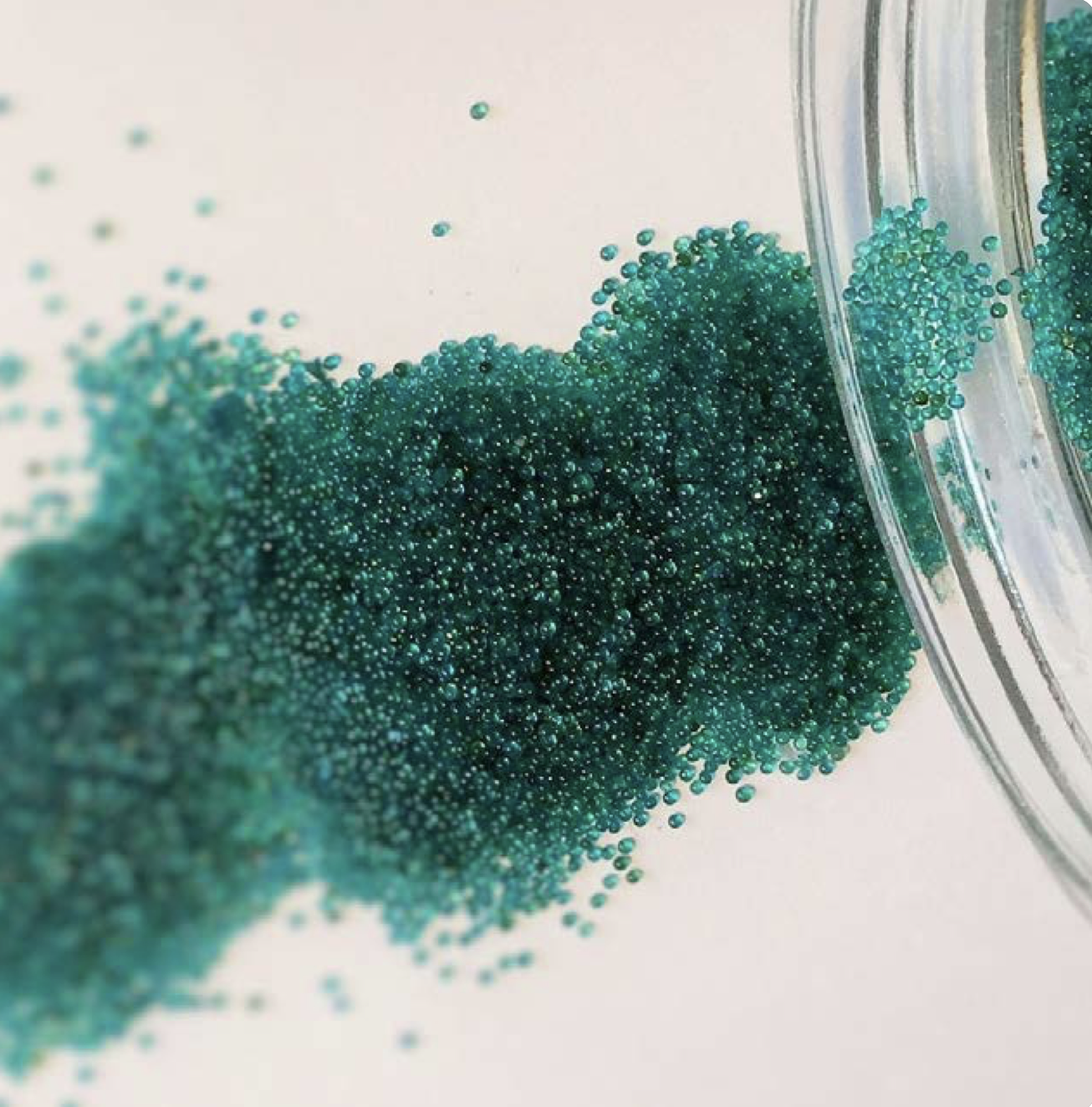
As part of our Advancing Circular Systems for Plastics & Packaging Initiative, Closed Loop Partners published Navigating Plastic Alternatives in a Circular Economy to demystify the rapidly growing and evolving landscape of plastic alternatives, with a focus on bio-based plastics, biopolymers and compostable products and packaging.
.jpg)